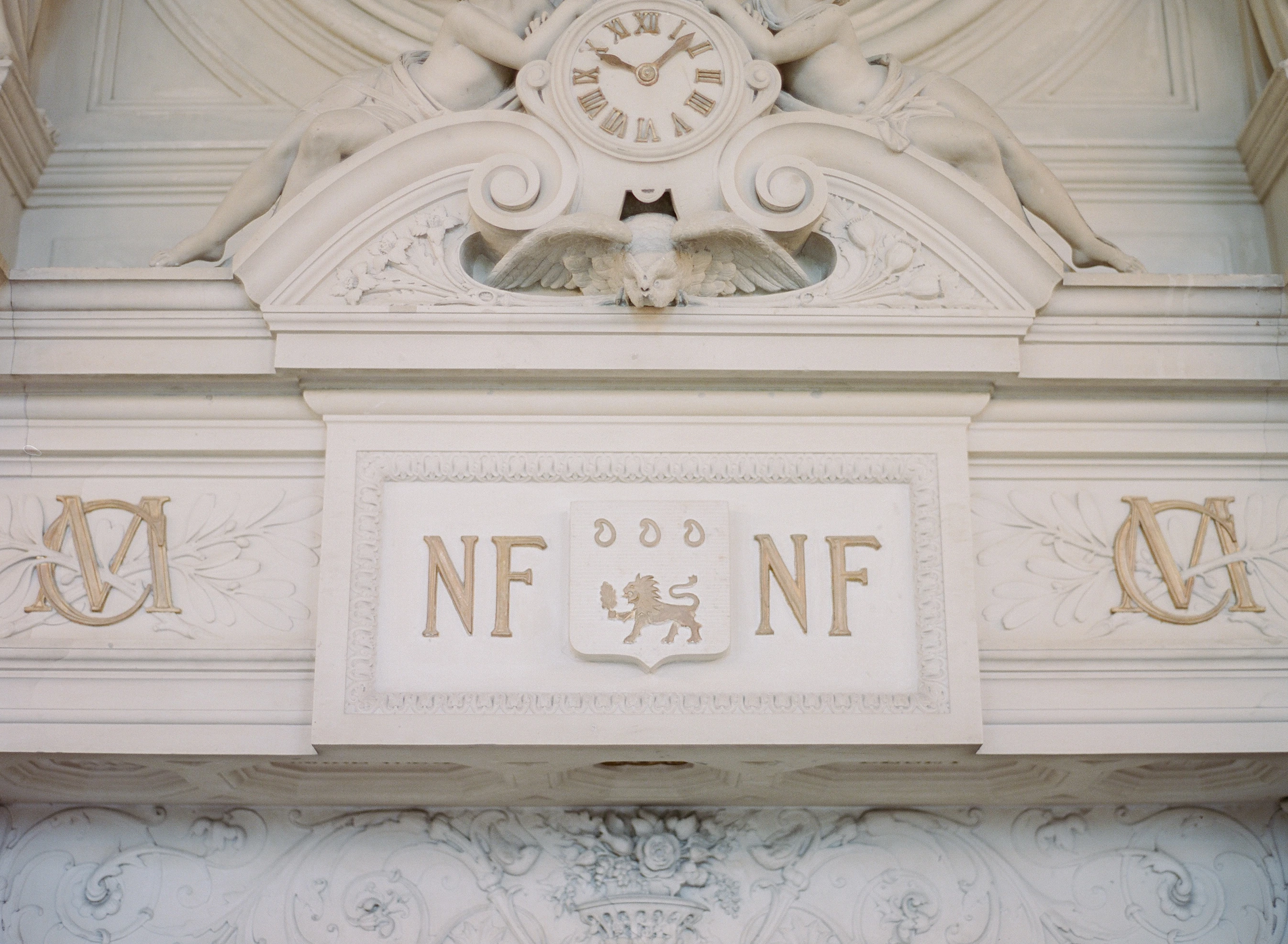
The NF coat of arms and carved wood panelling in a salon at Château de Boursault

History & heritage

Boursault,
a story
to pass on

A home given to her family by Madame Clicquot. Generations who followed. A refuge during the wars. And today, a château reopening its doors.

Explore its history

The home, the families, Champagne

Long before your story,
there was theirs

Château de Boursault is more than a silhouette above the vineyards. Its history brings together a family vision, the art of hosting and the upheavals of the 20th century. It continues today in the salons, in the park and through the two Champagne producers based on the estate.

A postcard of Château de Boursault, dated 1900–1910 in the Wikimedia Commons collection
1817Family ties

Before the Château,
a family home

In 1817, Clémentine, Madame Clicquot’s only daughter, married Louis de Chevigné. He owned a residence at Boursault more modest than the château we know today. His mother-in-law first helped to restore it.

The marriage of their daughter Marie-Clémentine to Louis de Rochechouart-Mortemart in 1839 preceded a more ambitious undertaking: building a new home for the family.

1842— 1848 · The construction

Madame Clicquot’s vision

Madame Clicquot commissioned architect Jean-Jacques Arveuf-Fransquin to create a residence worthy of her family vision. The new château drew on Renaissance architecture, with turrets, tall roofs and carved façades.

Above a window facing the pool, two words express that intention: Natis Mater, “a mother to her children”. Boursault was a gift to her daughter and granddaughter, as much as a place to welcome guests.

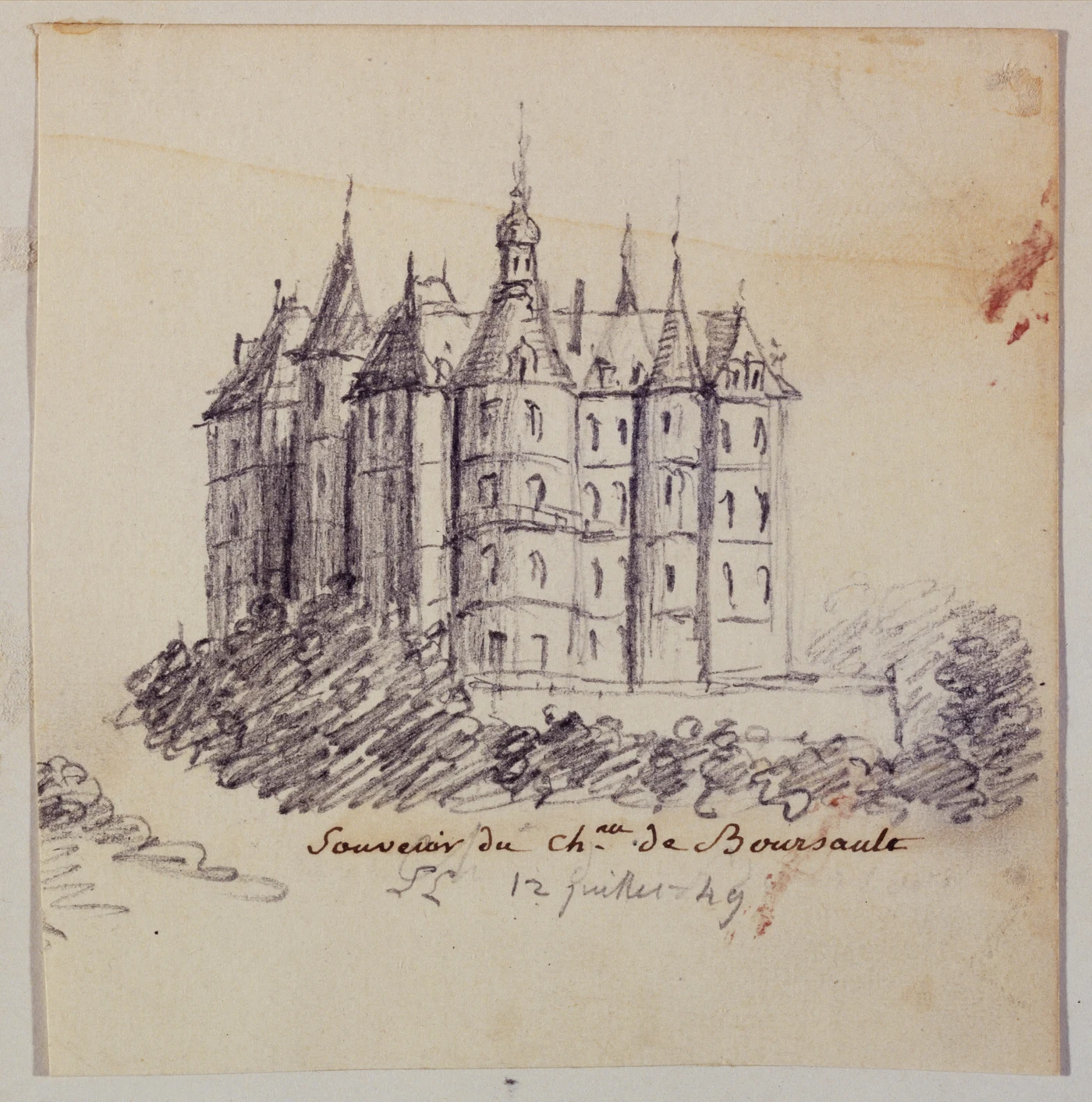
Souvenir of Château de Boursault, a historic drawing by Léon Leymonnerye held at the Musée Carnavalet
1866The Duchess of Uzès

A home made for entertaining

During Madame Clicquot’s lifetime, Boursault hosted dinners, celebrations and receptions. Champagne society and clients of her Champagne house gathered in its salons.

When she died in 1866, her great-granddaughter Anne de Rochechouart-Mortemart inherited the Château. As Duchess of Uzès, she continued its life as a family home and place of hospitality before selling the property in 1913.

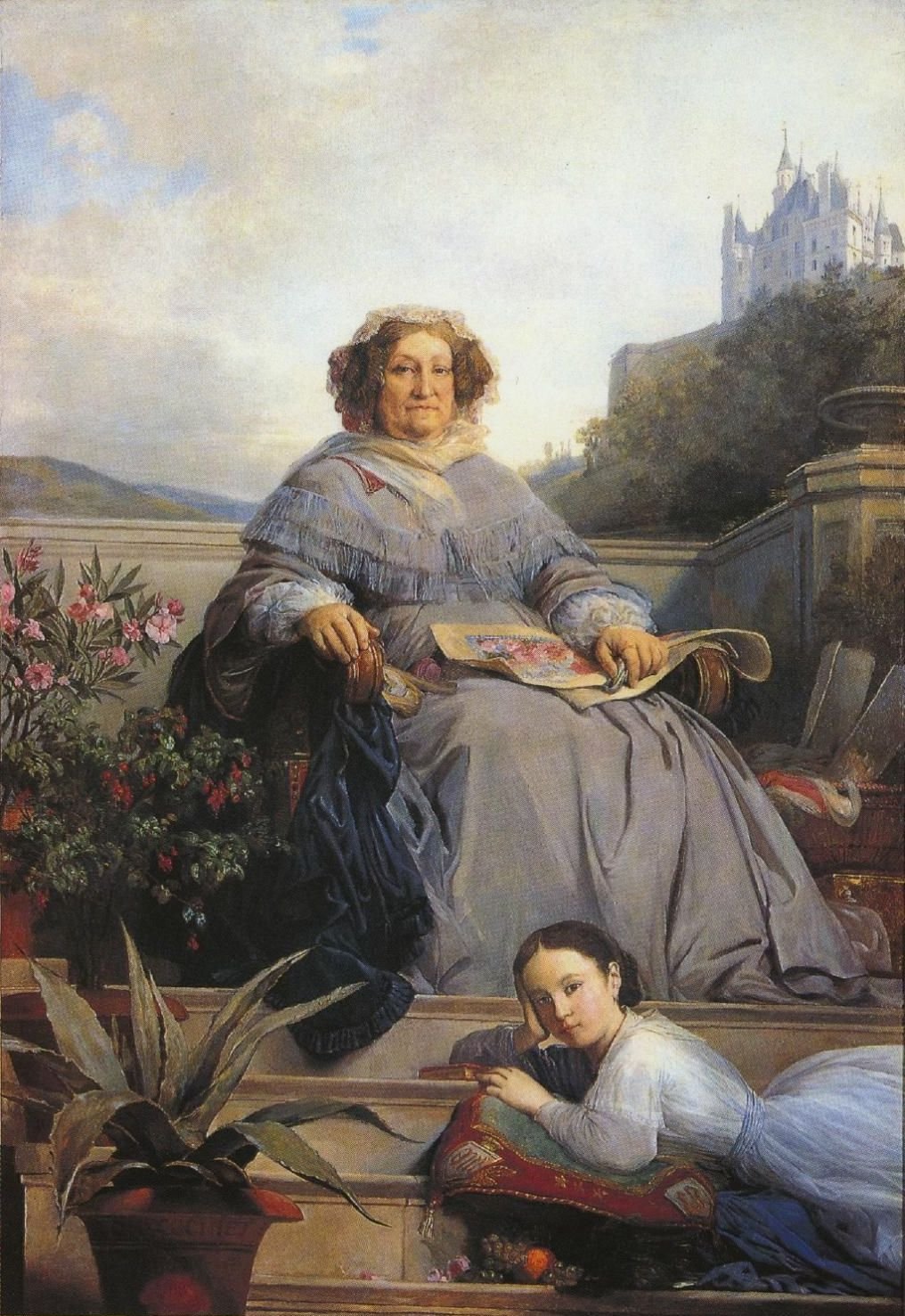
Léon Cogniet’s portrait brings Madame Clicquot and the young Anne together, with the Château in the background: a woman, her descendant and a home, their stories intertwined.

Léon Cogniet’s portrait of Madame Clicquot and her great-granddaughter Anne de Mortemart, with Boursault in the background
1913— 1927 · The Berry family

Another family at Boursault

In 1913, Canadian-born Frank Berry and his French wife Marguerite du Bouzet bought the Château as their home.

Frank Berry died in 1923; the family sold the property in 1927.

1914— 1918 · The Château as a hospital

When welcoming meant caring

During the First World War, Château de Boursault was converted into a military hospital. A residence built for entertaining became a place of care, adding a very different chapter to its history.

1927The Fringhian family

A family,
a new beginning

In 1927, Achod Fringhian acquired Château de Boursault at a traditional candle auction. A diamond merchant in Paris, he came from an Armenian family with roots in Asia Minor. With his wife Siranouche, he wished to find a home in France and entrusted the search to their son Nourhan.

Together with his fiancée Nelly Papazian, Nourhan discovered Boursault. Captivated by its architecture and the delicacy of its decoration, they persuaded Achod to buy the estate. Newly married, they devoted their honeymoon to its restoration, working alongside gardeners and craftspeople. Orchids returned to the greenhouses, and the pools and cascades came back to life. Siranouche was especially fond of the flowers and nature surrounding the Château.

After the Second World War, Nourhan resumed the restoration of the estate. His archival research revealed the land’s history of winegrowing. He replanted the vines and had cellars created beneath the Château. His descendants continue this family story, still closely bound to Boursault.

1945February · The Second World War

A refuge for the wounded once again

The Château served as a hospital again during the Second World War. In February 1945, it welcomed wounded soldiers of the US 101st Airborne Division returning from the Battle of Bastogne in Belgium.

This legacy of care and hospitality is an integral part of the estate’s history, alongside its receptions and family life.

2026The reopening

The Château reopens its doors

We are opening a new chapter in Boursault’s history. The Château returns to its role as a place of hospitality, welcoming weddings, corporate gatherings and events while preserving its character as a family home.

The reopening does not turn the residence into a hotel: there is no accommodation at the Château. Reception plans and appointments to explore the spaces are arranged with our team.

On the estate, life among the vines continues. Two Champagne producers cultivate their expertise here: Champagne Château de Boursault and Champagne Le Gallais.

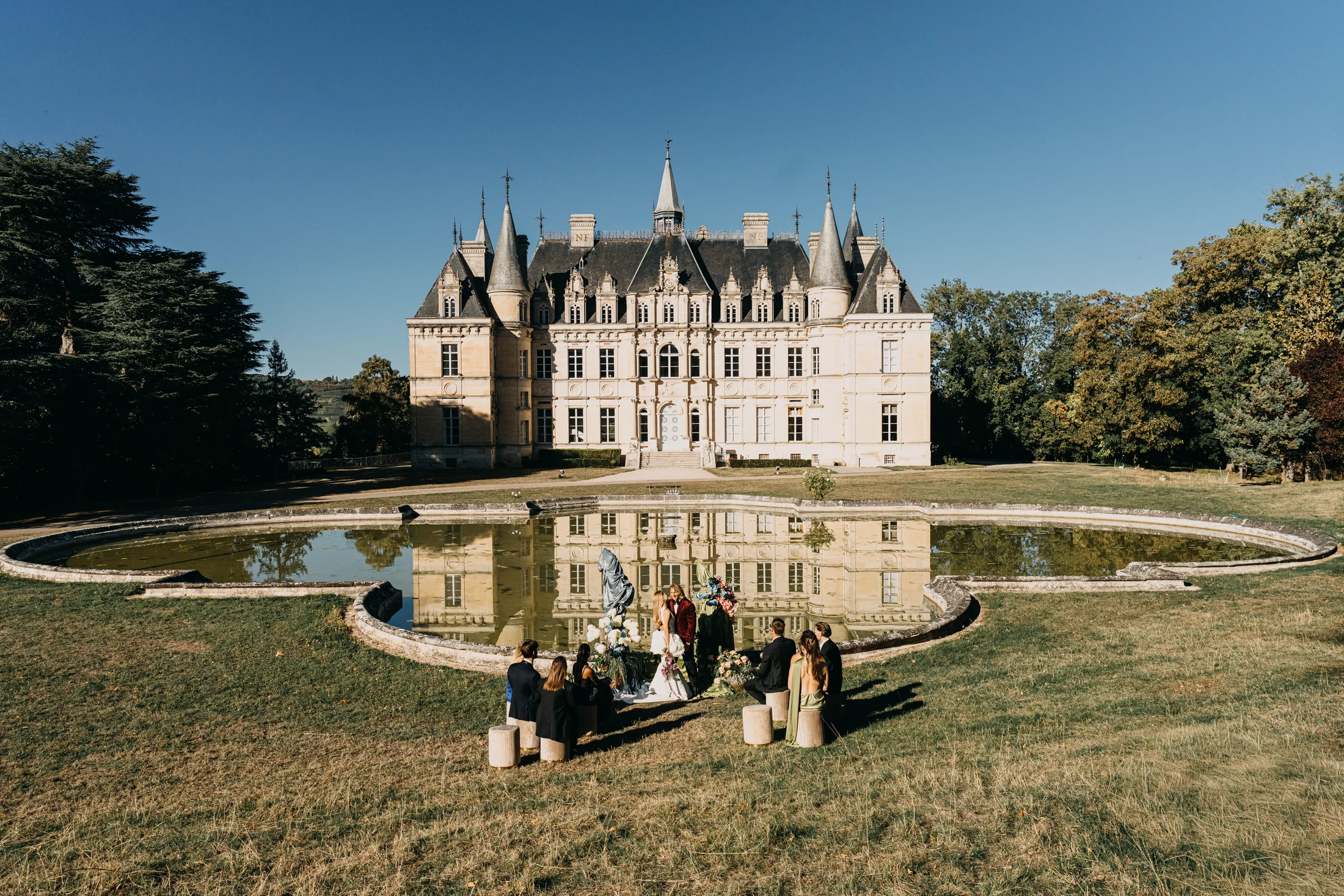
Château de Boursault and its pool today
Plan your visit to the Château

Life on the estate

Two Champagne producers,
one historic setting

Champagne Le Gallais

Charlotte Morgain Le Gallais cultivates seven plots organically within the clos, close to her press, winery and cellars, all located within the Château’s enclosed estate. Visits offered by Champagne Le Gallais introduce her work as a winegrower and her champagnes.

Discover Champagne Le Gallais

Visits and tastings are booked directly with each producer. They are separate from appointments to discuss receptions at the Château.

What’s on at the Château

Candlelightby candlelight

Christmas violin music by candlelight. On 10 December 2026, at 7:30 pm and 9:30 pm.

Discover Candlelight